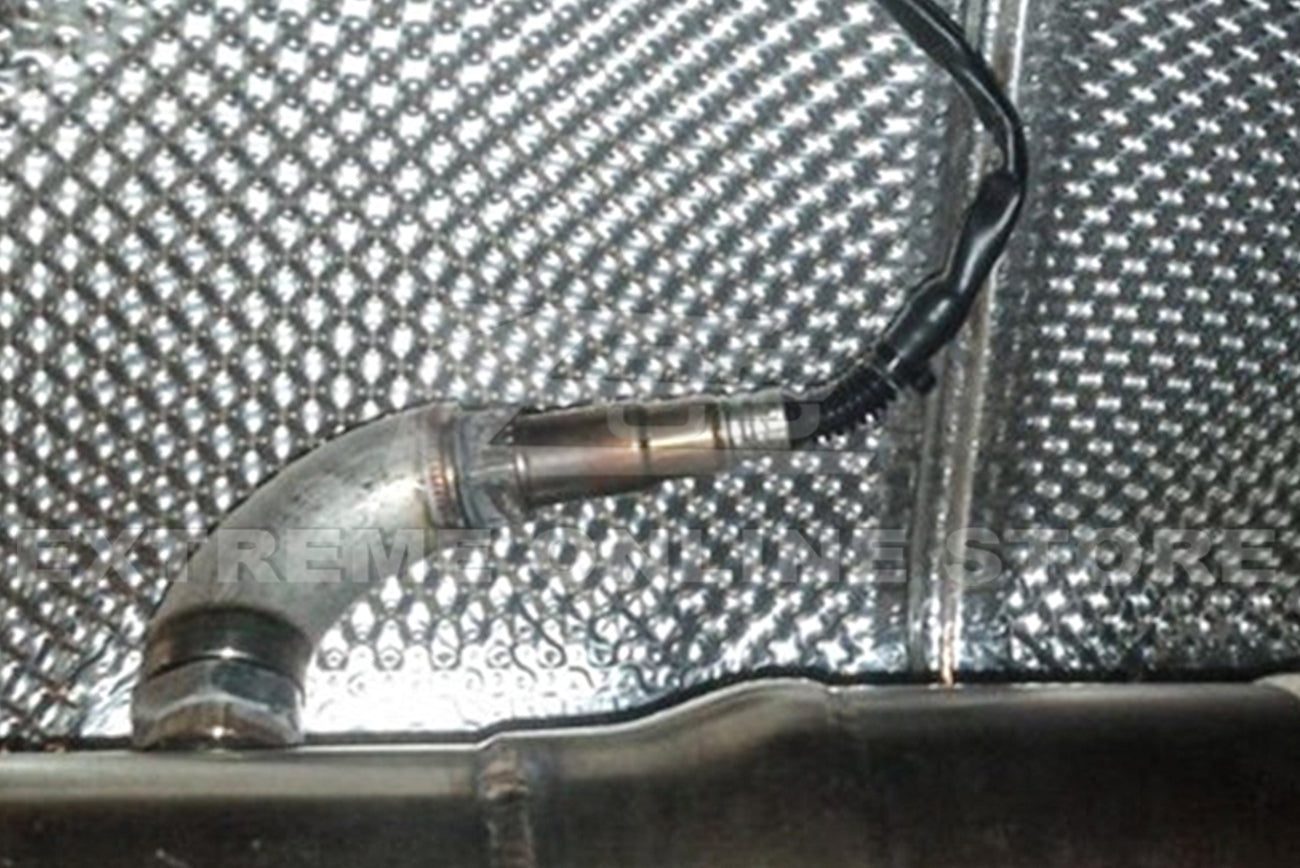
EOS Exhaust J Style O2 Performance Oxygen Sensors Restrictor
EOS Exhaust J Style O2 Performance Oxygen Sensors Restrictor
EOS Exhaust
Couldn't load pickup availability
- ✔ Verified fitment & authentic brands
- ✔ Secure checkout via Shopify, Stripe, and PayPal
- ✔ Enthusiast-run support — not a marketplace
- ✔ Fair resolution on damaged or incorrect orders
Every product is sourced from authorized manufacturers or distributors. If something isn’t right with fitment or condition, we’ll work with you to resolve it fairly.
NO GUESSWORK,
JUST PARTS THAT WORK.
Let’s finish that car.


PRODUCT DETAILS
The exhaust oxygen (O2) sensor is a device that measures the amount of oxygen in the exhaust gases produced by an internal combustion engine. The O2 sensor is positioned in the exhaust system, typically before the catalytic converter, and sends signals to the engine control module (ECM) to regulate the air-fuel mixture.
The air-fuel mixture in a gasoline engine should ideally be a stoichiometric ratio of 14.7 parts air to 1 part fuel, which provides the best balance of performance, fuel efficiency, and emissions. The O2 sensor measures the residual oxygen in the exhaust gases and sends signals to the ECM to adjust the air-fuel mixture. This helps to ensure that the engine is operating at optimal performance, efficiency, and emissions.
If the O2 sensor fails or is damaged, it can cause the engine to run rich or lean, leading to poor performance, increased fuel consumption, and increased emissions. It is important to have a functioning O2 sensor for the proper operation of the engine and the vehicle.
People may need to install a new oxygen (O2) sensor after installing an aftermarket downpipe for several reasons:
Compatibility: The aftermarket downpipe may have a different size or shape than the original exhaust, making it necessary to install a new O2 sensor that is compatible with the new pipe.
Emissions: The O2 sensor helps regulate the air-fuel mixture, ensuring that the engine runs efficiently and produces minimal emissions. The new downpipe may affect the exhaust flow and emissions, making it necessary to install a new O2 sensor to maintain proper operation.
Tuning: An aftermarket downpipe can change the exhaust flow and affect the engine's performance. Installing a new O2 sensor can help to fine-tune the engine's performance and ensure that it runs smoothly after the modification.
Malfunction: The new downpipe may cause the original O2 sensor to fail or malfunction, requiring replacement.
It is important to note that installing an aftermarket downpipe can also affect emissions and may be illegal in some areas, so it's important to check local laws and regulations before making any modifications.
Comes with Adjustable Gas Flow Inserts
Professional Installation is HIGHLY Recommended!

WHY WE CARRY THIS
We only list parts we’d run ourselves or recommend to a friend building a real car. If it feels vague, unverified, or inconsistent, it doesn’t make the cut.
- Fitment-first mindset — no “universal” roulette
- Brand reputation matters — we favor proven manufacturing
- Support that actually responds with real answers
WHAT TO EXPECT
This is the clean path: correct fitment, clean install, and results that match the intent.
- Install-ready experience with correct mounting where provided
- Finish that holds up to real driving, not just photos
- Selections on this page drive the exact fitment shipped
TRUST, BUILT INTO THE PROCESS.
Anyone can list parts. We curate what belongs on a serious build. Our goal is simple: fewer surprises, cleaner installs, and confidence when you hit “Buy.”
Fitment checked
We prioritize vehicle-specific listings and clear selection logic so you’re not gambling on compatibility.
Brand discipline
Proven manufacturing and consistent quality matter more than hype. We bias toward what actually holds up.
Real support
If you have a question, you’ll get a human answer that helps you finish the build — not a copy-paste shrug.
The exhaust oxygen (O2) sensor is a device that measures the amount of oxygen in the exhaust gases produced by an internal combustion engine. The O2 sensor is positioned in the exhaust system, typically before the catalytic converter, and sends signals to the engine control module (ECM) to regulate the air-fuel mixture.
The air-fuel mixture in a gasoline engine should ideally be a stoichiometric ratio of 14.7 parts air to 1 part fuel, which provides the best balance of performance, fuel efficiency, and emissions. The O2 sensor measures the residual oxygen in the exhaust gases and sends signals to the ECM to adjust the air-fuel mixture. This helps to ensure that the engine is operating at optimal performance, efficiency, and emissions.
If the O2 sensor fails or is damaged, it can cause the engine to run rich or lean, leading to poor performance, increased fuel consumption, and increased emissions. It is important to have a functioning O2 sensor for the proper operation of the engine and the vehicle.
People may need to install a new oxygen (O2) sensor after installing an aftermarket downpipe for several reasons:
Compatibility: The aftermarket downpipe may have a different size or shape than the original exhaust, making it necessary to install a new O2 sensor that is compatible with the new pipe.
Emissions: The O2 sensor helps regulate the air-fuel mixture, ensuring that the engine runs efficiently and produces minimal emissions. The new downpipe may affect the exhaust flow and emissions, making it necessary to install a new O2 sensor to maintain proper operation.
Tuning: An aftermarket downpipe can change the exhaust flow and affect the engine's performance. Installing a new O2 sensor can help to fine-tune the engine's performance and ensure that it runs smoothly after the modification.
Malfunction: The new downpipe may cause the original O2 sensor to fail or malfunction, requiring replacement.
It is important to note that installing an aftermarket downpipe can also affect emissions and may be illegal in some areas, so it's important to check local laws and regulations before making any modifications.
Comes with Adjustable Gas Flow Inserts
Professional Installation is HIGHLY Recommended!